A Guide to Creating Wildlife-Friendly Gardens in New England
 New England’s diverse landscapes offer a unique opportunity to create wildlife-friendly gardens that benefit not only your home but also the local ecosystem. As more homeowners recognize the importance of biodiversity, transforming gardens into havens for wildlife has become a rewarding pursuit. This blog will guide you through practical steps to design a garden that attracts and supports local wildlife.
1. Choose Native New England Plants
One of the most effective ways to create a wildlife-friendly garden is by incorporating native plants. These species have evolved to thrive in the local climate and soil conditions, making them more resilient and less reliant on fertilizers and pesticides. Native plants also provide essential food and habitat for local wildlife. For instance, planting milkweed can attract monarch butterflies, while flowering dogwood trees can support various bird species.
When selecting native plants, consider a mix of flowering plants, shrubs, and trees to create layers within your garden. This diversity enhances visual appeal and offers different habitats for insects, birds, and small mammals.
2. Incorporate Water Features
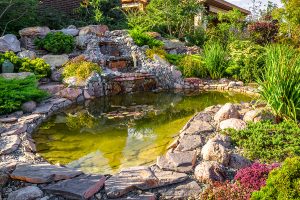
Water is a vital resource for wildlife. Adding a backyard water feature such as a small pond, birdbath, or even a simple water bowl can attract a variety of species. Ponds not only provide drinking water but also serve as breeding grounds for frogs and other amphibians. Incorporate native aquatic plants like water lilies or cattails to enhance the habitat and provide shelter for aquatic life.
Ensure that water features are safe for wildlife by creating gently sloped edges, allowing animals to access water easily. Regular maintenance, such as cleaning and refreshing the water, will help keep these features inviting for wildlife.
3. Build Habitat Structures
In addition to plants and water, providing structures that serve as shelters can significantly increase the biodiversity of your garden. Birdhouses, bat boxes, and bee hotels can attract various species while also facilitating natural pest control.
When constructing these habitats, consider the specific needs of the species you wish to attract. For example, different birds prefer different types of nesting sites, so research local bird species to build appropriate houses. Placing these structures in quiet areas with minimal disturbance will encourage wildlife to take up residence.
Learn more in our post, Creating Wildlife Habitats: Enhancing Your Landscape with Nature.
4. Design for Seasonal Variety
Creating a wildlife-friendly garden means providing food and shelter year-round. Incorporate plants that bloom in different seasons, ensuring that there is always something to attract pollinators and other wildlife. For example, early spring bloomers like crocuses can provide vital nectar for bees emerging from hibernation.
Additionally, consider planting fruit-bearing shrubs and trees that offer food during late summer and fall. This not only supports wildlife but can also provide you with fresh produce. Here are some seasonal landscape tips to help you year-round with your garden and landscaping.
5. Engage with the Community
Finally, becoming involved in local conservation efforts can enhance your wildlife-friendly garden. Join community gardening groups or participate in wildlife gardening initiatives. Sharing your experiences and learning from others can provide valuable insights and foster a collective effort toward enhancing local ecosystems.
At Evolve Landscaping, we specialize in creating beautiful, wildlife-friendly gardens tailored to your specific needs. Our team understands the importance of native plants and sustainable practices in promoting biodiversity. We’re passionate about designing outdoor spaces that not only look great but also support local ecosystems.
Whether you’re interested in incorporating native plants, adding water features, or building habitat structures, we’re here to help every step of the way. If you’re ready to embark on this rewarding journey, let us assist you in transforming your garden into a thriving habitat. Together, we can create a vibrant outdoor space that enriches both your home and the environment. Reach out to us to start your wildlife-friendly project today!