Creating Wildlife Habitats: Enhancing Your Landscape with Nature
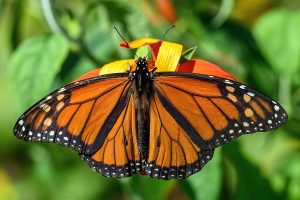 At Evolve Landscaping, we believe that a beautifully designed outdoor space can do more than just look good—it can also nurture the environment. By creating wildlife habitats in your landscape, you can support local ecosystems while enhancing the beauty and functionality of your property. This blog will explore how enhancing your landscape with nature can turn your garden into a sanctuary for birds, butterflies, and beneficial insects.
Why Create Wildlife Habitats?
Creating wildlife habitats offers numerous benefits:
- Biodiversity: Supporting various species helps maintain ecological balance.
- Pollination: Attracting bees and butterflies ensures the pollination of your plants, leading to better yields.
- Pest Control: Natural predators, such as birds and beneficial insects, can reduce pest populations without the need for chemical pesticides.
Key Elements of a Wildlife Habitat
To create an inviting environment for wildlife, consider incorporating the following elements into your landscape:
1. Native Plants
Use native species that are well-adapted to your local climate and soil. They require less water and maintenance while providing essential food and shelter for local wildlife.
2. Water Sources
Incorporating water features like birdbaths, ponds, or small fountains will attract birds and other wildlife. Ensure the water is clean and refreshed regularly.
3. Shelter and Nesting Sites
Create diverse habitats by adding shrubs, trees, and ground cover. Birdhouses, bat boxes, and insect hotels can provide safe nesting sites for various species.
4. Food Sources
Plant flowering plants that provide nectar for pollinators, as well as fruit-bearing shrubs and trees. Consider including seed-bearing plants to attract birds during the winter months.
5. Natural Landscapes
Allow some areas of your garden to grow wild. This not only supports wildlife but also reduces the need for mowing and maintenance.
Designing Your Wildlife Habitat
When designing your wildlife habitat, keep these tips in mind:
- Layer Your Plants: Use a mix of tree, shrub, and ground cover layers to create a diverse environment. This stratification mimics natural ecosystems and provides different niches for wildlife.
- Create Corridors: Connect habitats by planting strips of native vegetation or installing fences that allow wildlife to move freely between areas.
- Limit Pesticide Use: Reducing or eliminating chemical pesticides will keep beneficial insects safe and promote a healthier ecosystem in your garden.
- Educate and Engage: Share your efforts with neighbors and encourage them to create their own wildlife habitats. Consider hosting workshops or community events to raise awareness about the importance of biodiversity.
Creating wildlife habitats in your landscape not only enhances the beauty of your property but also plays a critical role in supporting local ecosystems. At Evolve Landscaping, we are passionate about helping you design outdoor spaces that are both stunning and sustainable. By incorporating native plants, water sources, and natural shelter, you can create a thriving habitat that benefits wildlife and contributes to a healthier environment.
Ready to transform your landscape into a wildlife-friendly haven? Contact Evolve Landscaping today to explore how wildlife habitat landscapers can help you create a space that nurtures both nature and beauty!